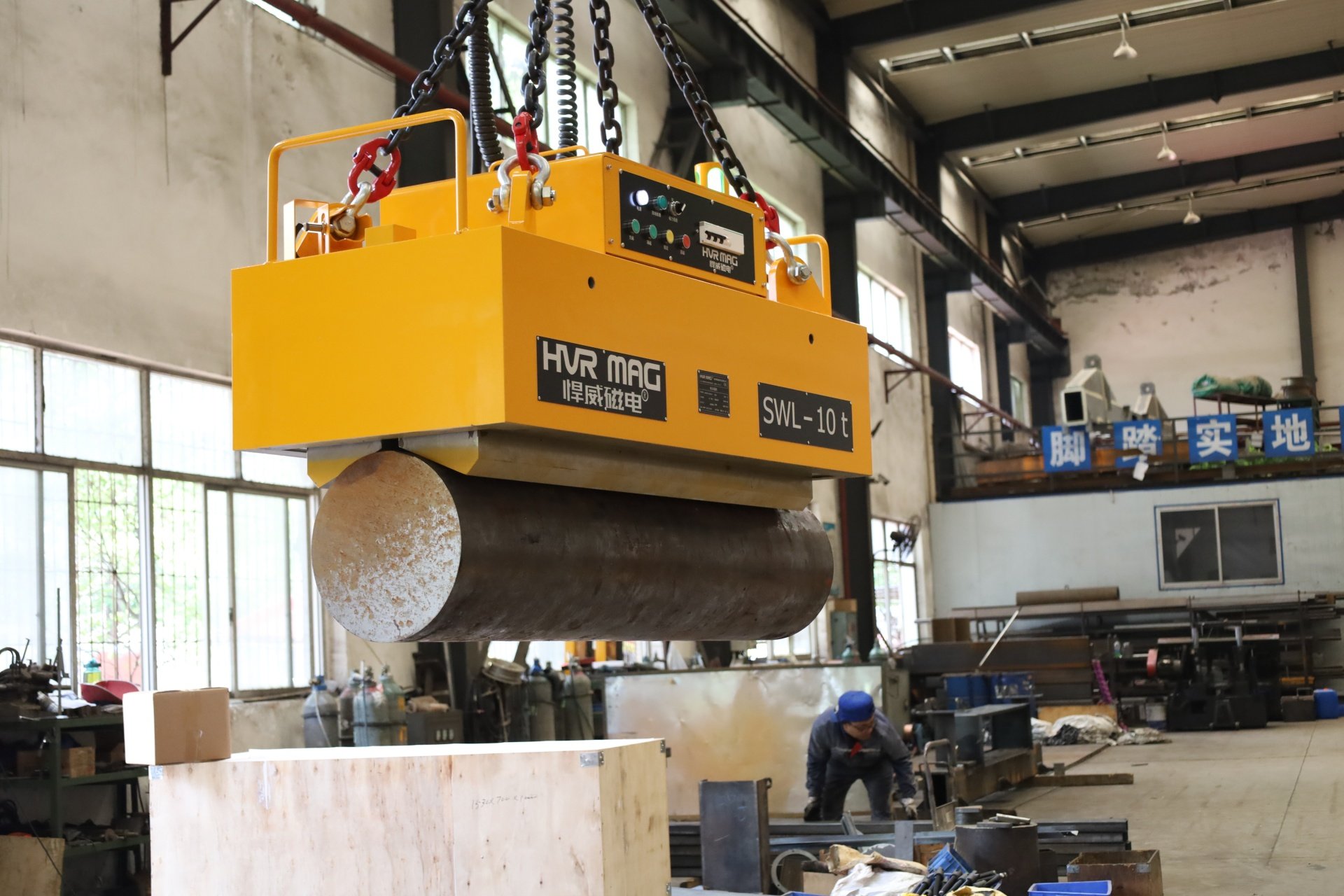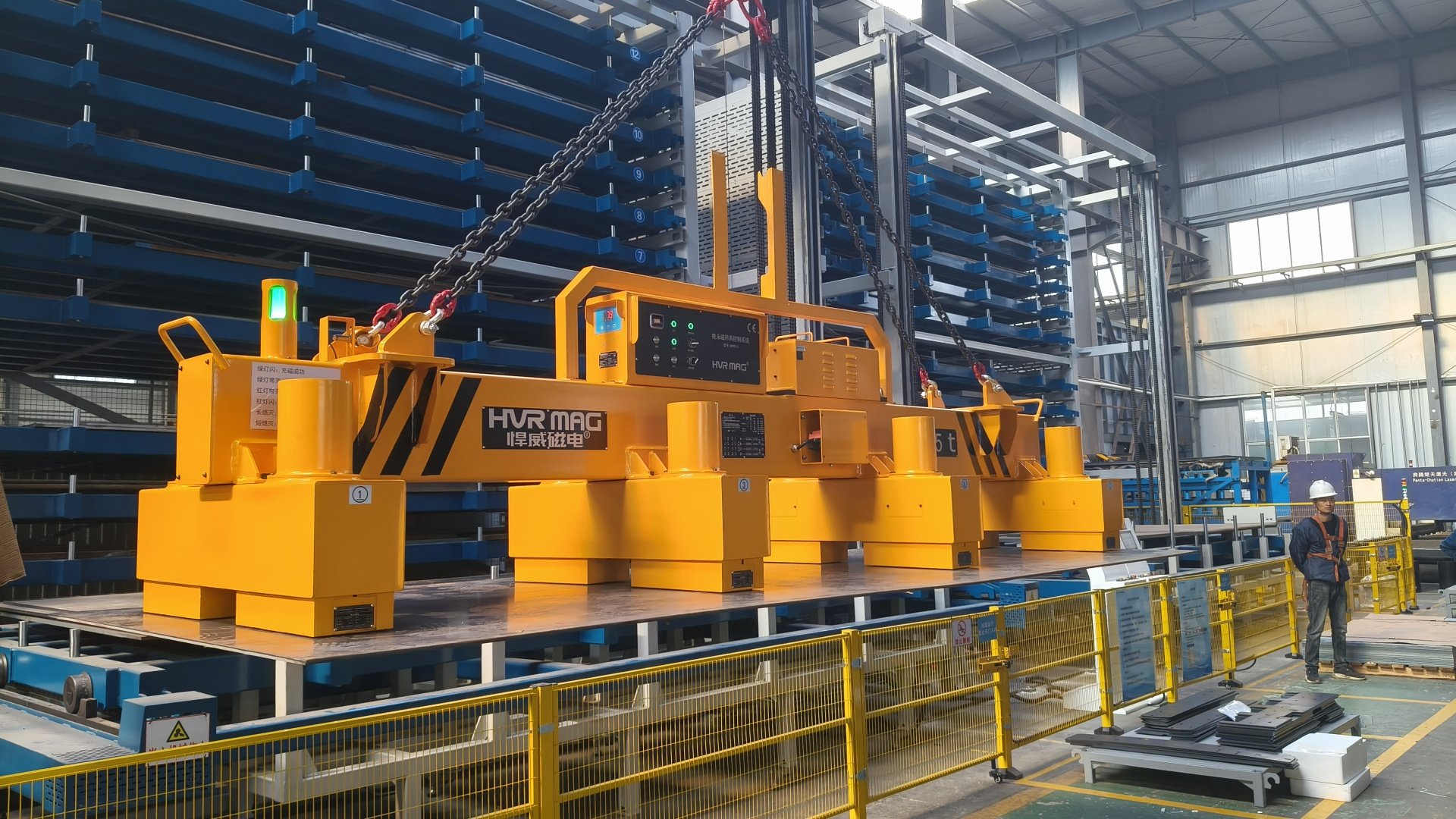


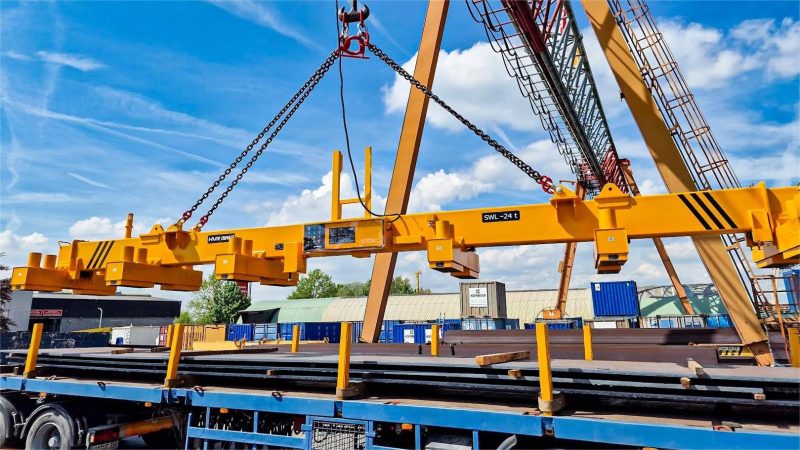
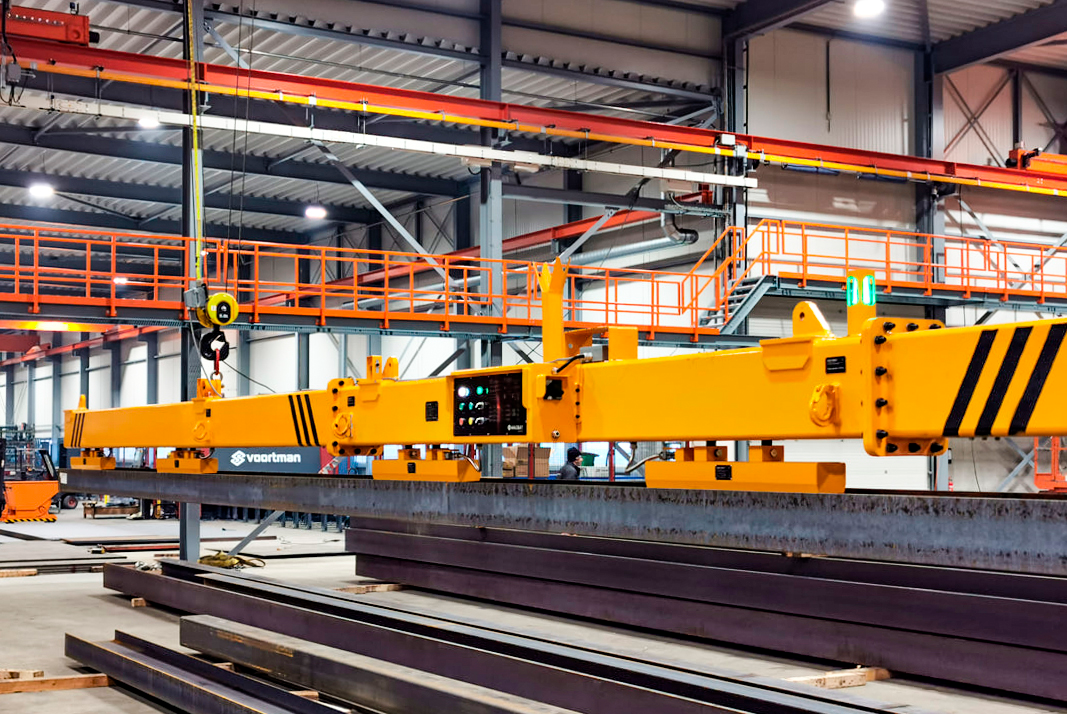
Magnetic lifter is a material handling system which designed to lift and move ferromagnetic materials such as steel plates, pipes, bars, beams, and fabricated steel components. Unlike mechanical lifting equipment that relies on hooks, chains, or slings, a magnetic lifting system uses magnetic force to hold the workpiece.
Among different types of magnetic lifting equipment, the electro-permanent magnetic lifter is widely used for industrial material handling because it combines controllable magnetic force with low power consumption. But how does a magnetic lifter actually work? Understanding its construction and operating principle can help users select the right magnetic lifting solution for their application.
Construction of an Electro-Permanent Magnetic Lifter
An electro-permanent magnetic lifter typically consists of permanent magnets, electromagnetic coils, magnetic poles, a steel magnetic circuit, and a control system.
The permanent magnets generate the main magnetic force, while the electromagnetic coils are used to change the direction of the magnetic field. Magnetic poles provide the contact points between the lifter and the steel workpiece, while the steel body guides the magnetic flux through the required magnetic circuit.
The arrangement of the magnetic poles can be customized according to the workpiece. For example, different pole configurations may be required for flat steel plates, round pipes, beams, or irregular steel components.


How Does a Magnetic Lifter Work?
The working principle of an electro-permanent magnetic lifter is based on controlling the direction of magnetic flux.
During magnetization, a short electrical pulse activates the electromagnetic coils and changes the internal magnetic circuit. The magnetic flux is directed through the magnetic poles and into the ferromagnetic workpiece, creating the holding force required for lifting.
Once magnetized, the permanent magnets maintain the magnetic holding force without continuous electrical power. To release the workpiece, another electrical pulse changes the magnetic circuit and redirects most of the magnetic flux inside the lifter. The magnetic force at the poles is then reduced, allowing the load to be released.
This operating principle means that an electro-permanent magnetic lifter mainly consumes electrical energy during magnetization and demagnetization rather than during continuous load holding.
Industrial Applications of Magnetic Lifters
Magnetic lifting systems are used across many industries where steel and other ferromagnetic materials need to be moved frequently.
- Steel Service Centers
Magnetic lifters can be used for loading, unloading, stacking, and transferring steel plates, bars, beams, and other steel products.
- Metal Fabrication
In metal fabrication workshops, magnetic lifting equipment can move steel plates and fabricated components between cutting, welding, machining, and assembly processes.
- Shipbuilding
Shipyards use magnetic lifting systems for handling large steel plates and structural components during plate preparation, cutting, and assembly.
- Laser Cutting
A magnetic lifter can load full steel plates onto laser cutting tables and help unload cut parts and remaining skeletons after processing.
- Industrial Automation
Electro-permanent magnetic grippers can be integrated with cranes, gantry systems, robots, and automated production lines for automatic steel handling and part transfer.
- Pipe and Steel Handling
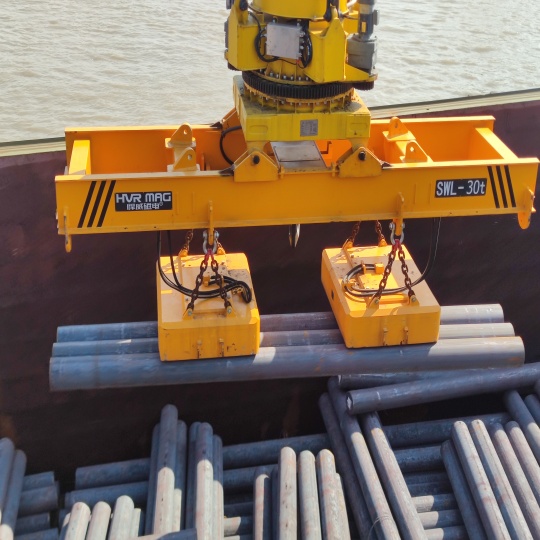
Specialized magnetic lifters can also be designed for steel pipes, tubes, round bars, and bundled steel products, depending on their geometry and surface conditions.
Advantages of Electro-Permanent Magnetic Lifters
Compared with conventional lifting methods, an electro-permanent magnetic lifter offers several advantages for industrial applications:
No continuous power required: Magnetic holding force can be maintained without continuous electrical input.
Power-failure protection: The permanent magnetic circuit can continue holding the load during a power interruption.
Fast operation: Magnetization and demagnetization can be completed quickly, supporting high-frequency material handling.
Reduced mechanical handling: No slings, chains, or mechanical clamps are required for suitable workpieces.
Flexible configuration: Magnetic poles and control groups can be designed for different workpiece geometries.
Automation compatibility: Magnetic lifting systems can be integrated with overhead cranes, gantries, robots, and other automated equipment.
Factors to Consider When Choosing a Magnetic Lifter
Choosing the correct magnetic lifter requires more than simply checking the maximum lifting capacity. The actual magnetic holding force depends on several workpiece and application conditions.
Important factors include material type, workpiece weight, dimensions, thickness, surface condition, shape, lifting orientation, and air gap. Rust, paint, scale, uneven surfaces, and curved surfaces can reduce the effective magnetic force.
The required lifting capacity should therefore be evaluated together with the workpiece geometry and operating conditions. Users should also consider the required working cycle, magnetic pole arrangement, crane or robot interface, control system, and safety requirements.
For automated material handling, the magnetic lifter should be designed as part of the complete magnetic lifting system, rather than treated as an independent lifting component.
FAQs About Magnetic Lifters
1. Does an electro-permanent magnetic lifter need continuous power?
No. An electro-permanent magnetic lifter only requires electrical energy during magnetization and demagnetization. Once magnetized, the permanent magnetic circuit can maintain the holding force without continuous power.
2. What materials can a magnetic lifter handle?
Magnetic lifters are mainly designed for ferromagnetic materials, including carbon steel, mild steel, iron, and many common steel products. The actual lifting capacity depends on the material properties, thickness, surface condition, and air gap.
3. How do I choose the right magnetic lifter?
Consider the workpiece weight, material, dimensions, thickness, shape, surface condition, lifting orientation, and working cycle. For complex or automated applications, the magnetic pole configuration, control system, and installation method should also be evaluated.
خاتمة
A magnetic lifter provides a practical method for handling ferromagnetic materials in modern industrial environments. Among the available technologies, electro-permanent magnetic lifting systems offer controlled magnetization, low power consumption, and compatibility with automated handling equipment.
The right magnetic lifter should always be selected according to the actual workpiece and application conditions. Proper magnetic circuit design, pole configuration, and system integration are essential for achieving reliable and efficient steel handling.